ENTERPRISE AI FOR ALL YOUR NEEDS
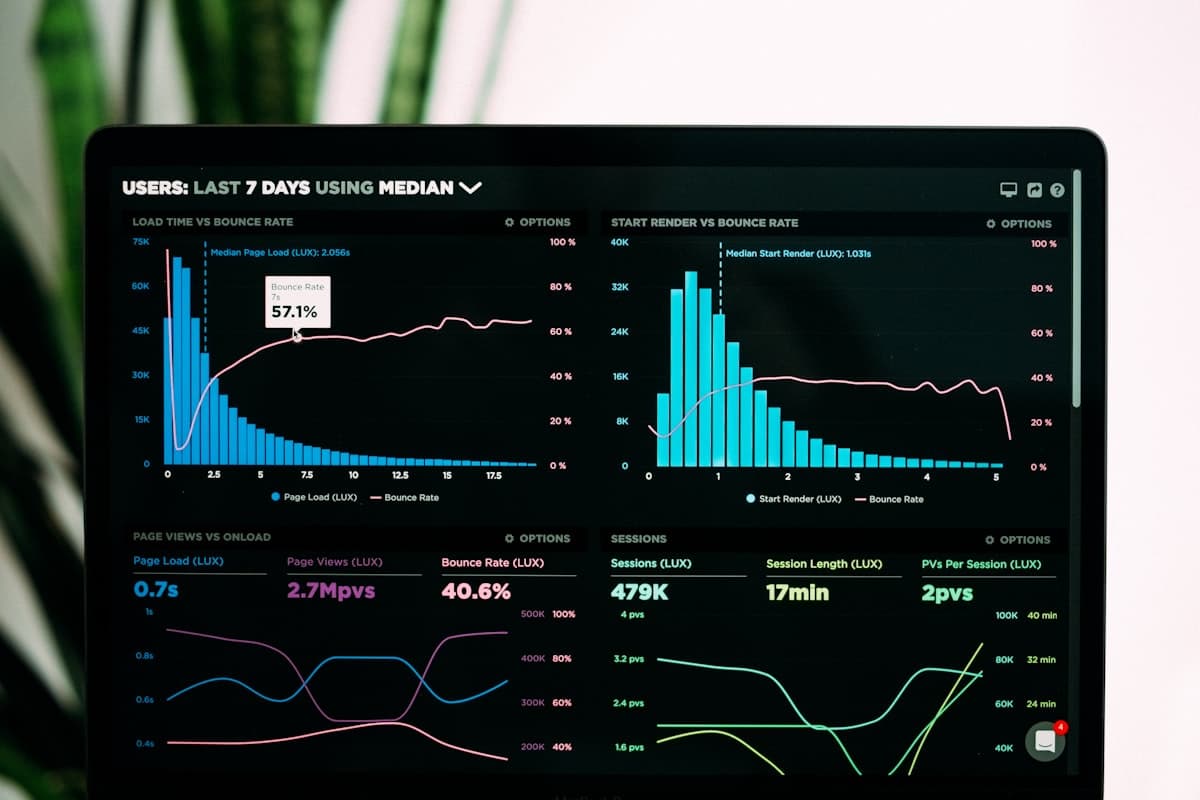
Enterprise data lives across ERP, operational systems, transaction records, and customer operations - regardless of industry. Our solutions combine predictive forecasting, computer vision, conversational AI, and autonomous agents to turn that data into decisions - and increasingly, into action. Each solution maps to the business function it serves, from procurement through finance, and to the technology layer it's built on.
Inventory replenishment and vendor decisions driven by demand, lead time, and consumption data instead of historical averages.
“Why is this happening, and what can we change?”
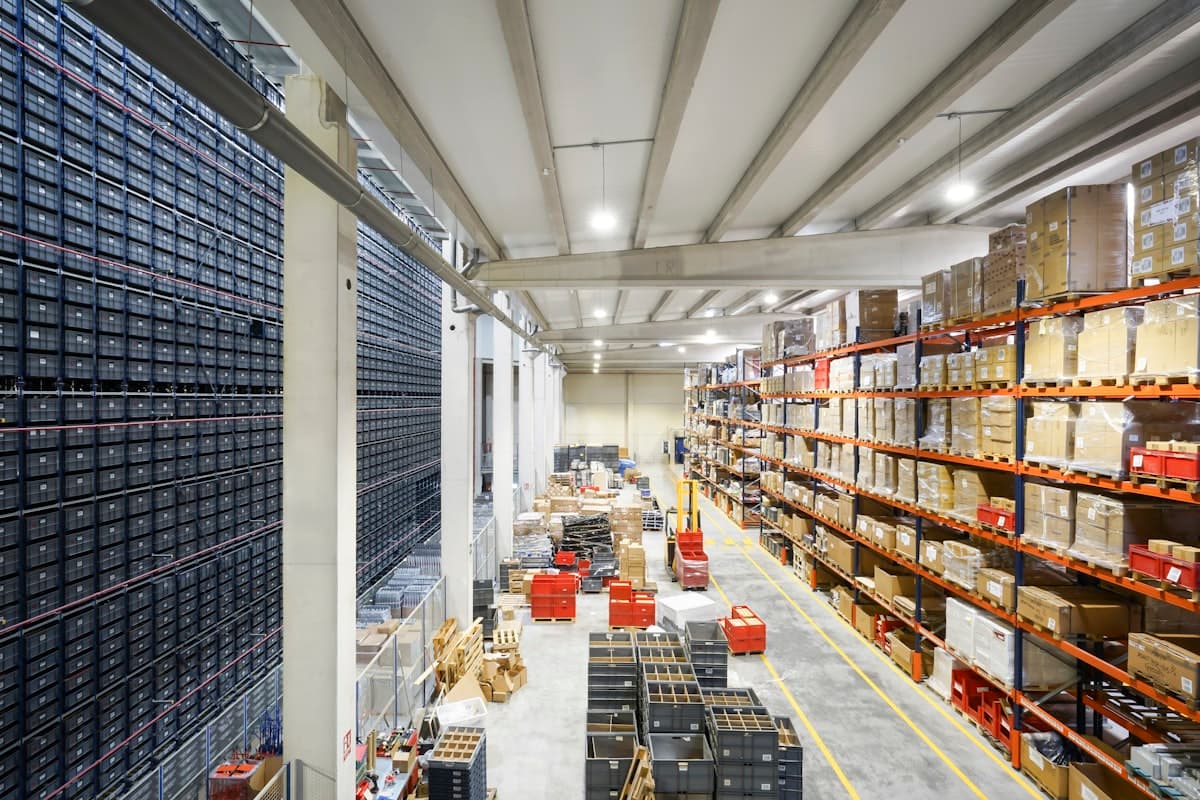
Combines historical consumption, sales forecasts, production plans, supplier lead times, and seasonality into a single model that recommends what to order, how much, and when.
Ingests digital invoices, automatically parsing quantities, parts, and hardware serial numbers directly into database records. Automates site dispatch orders and client loaner agreements.
HOW WE ENGAGE
A repeatable process, whether the engagement is a forecasting model or a full custom system.
QUESTIONS
No. We work with the transaction records, drawings or invoices you already have - cleaning and structuring the data is part of the build, not a prerequisite for it.
HOW WE THINK ABOUT IT
We work with any data, from any source - image, audio, text or structured records. The problem you bring us matters more than the industry it sits in.
Talk to Us About Your Data